
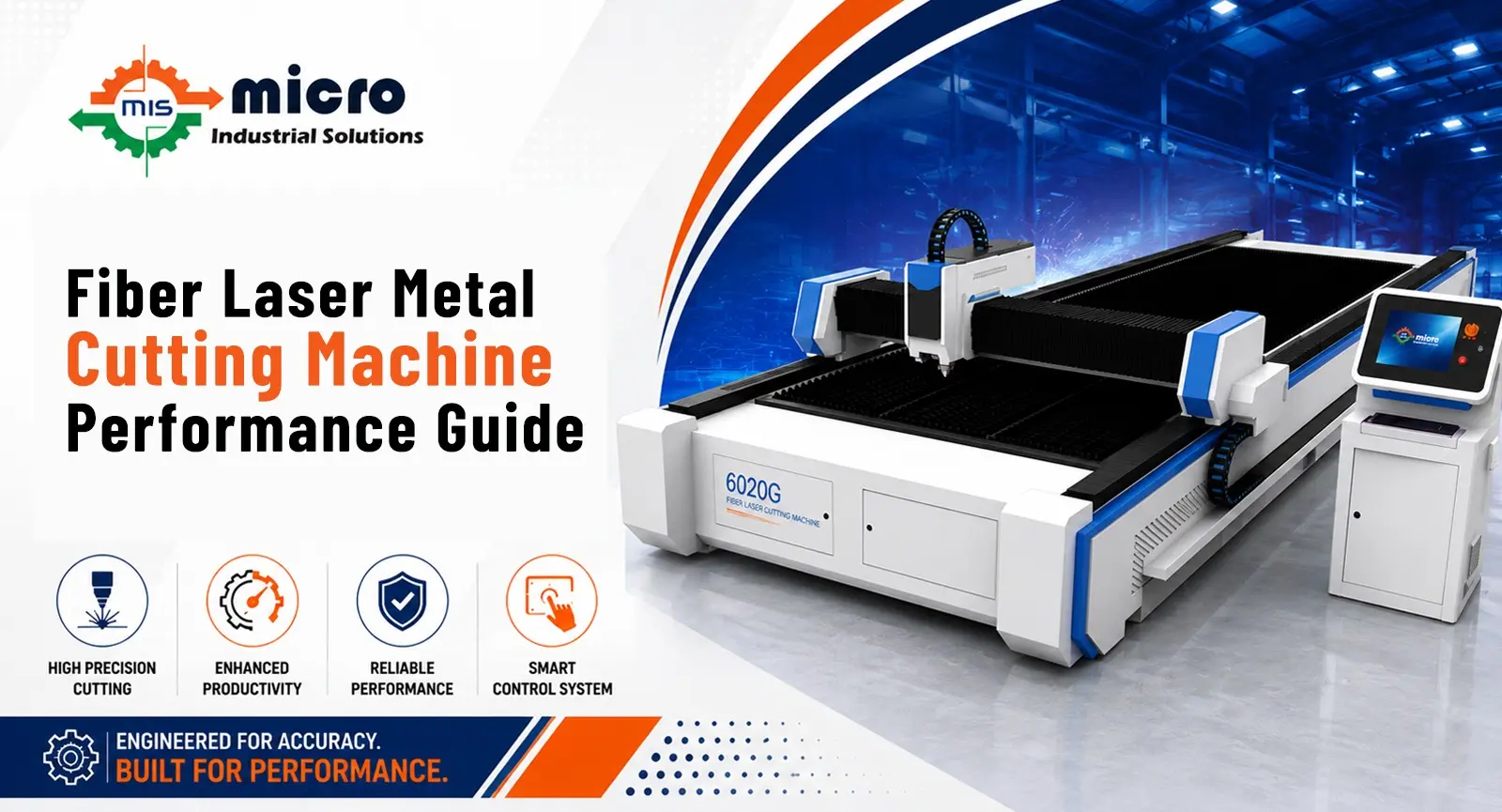
Introduction
Two Fiber Laser Metal Cutting Machines can carry identical power ratings and still work completely differently once they’re running production. That gap between paper specs and actual performance is where most buyer frustration comes from, and it’s rarely because a manufacturer lied about the numbers. It’s because a wattage figure alone doesn’t capture how optics, gas delivery, and machine build quality interact once material is moving through the cutting head. This matters because most people shopping for a laser metal cutting machine are comparing offers side by side, watts against watts, price against price. That comparison misses the variables that determine whether a machine delivers clean, fast, repeatable cuts or becomes a source of ongoing rework and adjustment.What Each Material Demands From the Machine
| Material | Typical Cutting Challenge | What Power Alone Can’t Fix |
| Mild steel | Generally the easiest, fastest baseline | Little; most machines perform predictably here |
| Stainless steel | Oxide-free edge requires nitrogen assist | Gas choice matters more than raw wattage |
| Aluminum | High reflectivity, thermal conductivity | Optic and beam quality affect consistency significantly |
| Thick plate | Maintaining speed and edge quality together | Machine rigidity becomes the limiting factor |
Gas Assist Choices and What They Cost You
Gas assist selection affects cut quality and running cost more than most buyers account for during initial evaluation.- Oxygen assist works well for mild steel, reacting with the material to help the cutting process and generally running faster and cheaper than nitrogen.
- Nitrogen assist produces clean, oxide-free edges essential for stainless steel and aluminum, but it costs significantly more per hour of operation and typically runs slower.
- Gas purity and delivery consistency matter as much as the gas type itself, since inconsistent pressure during a cut shows up directly as dross and rough edges, regardless of which gas is being used.
What Separates Precise Machines From Merely Fast Ones
Speed and precision aren’t the same thing, and a Fiber Laser Metal Cutting Machine optimized purely for cutting speed doesn’t automatically deliver the edge quality precision work requires.- Beam quality determines kerf width and edge finish; a tighter, more consistent beam produces narrower cuts with less wasted material along each edge.
- Rigidity keeps precision consistent at higher speeds, since even minor vibration in a less rigid frame becomes visible in the cut edge as speed increases.
- Lens condition degrades gradually, meaning a machine that cut precisely on day one can lose that precision over months without proper optics maintenance.
- Consistent gas pressure throughout the cut prevents the kind of dross buildup that turns a clean edge into one requiring secondary finishing work.
What Determines Output Beyond Cutting Speed
Cutting speed alone doesn’t tell you how much a fiber laser metal cutting machine can produce in a shift; what happens before and after the cut matters just as much.- Loading and unloading time adds up fast on high-volume work. A machine with a fast cutting head still slows to a crawl if sheets are being loaded and removed manually between every cycle.
- Automated pallet changers keep the laser cutting running instead of waiting. While one sheet is being loaded, the machine can keep working on the previous one, which meaningfully increases the output over a shift.
- Nesting software efficiency affects material waste as much as machine speed does. Poor nesting leaves gaps between parts that a faster machine can’t compensate for, since it’s still cutting around wasted space.
Signals Worth Trusting While Buying a Fiber Laser Metal Cutting Machine
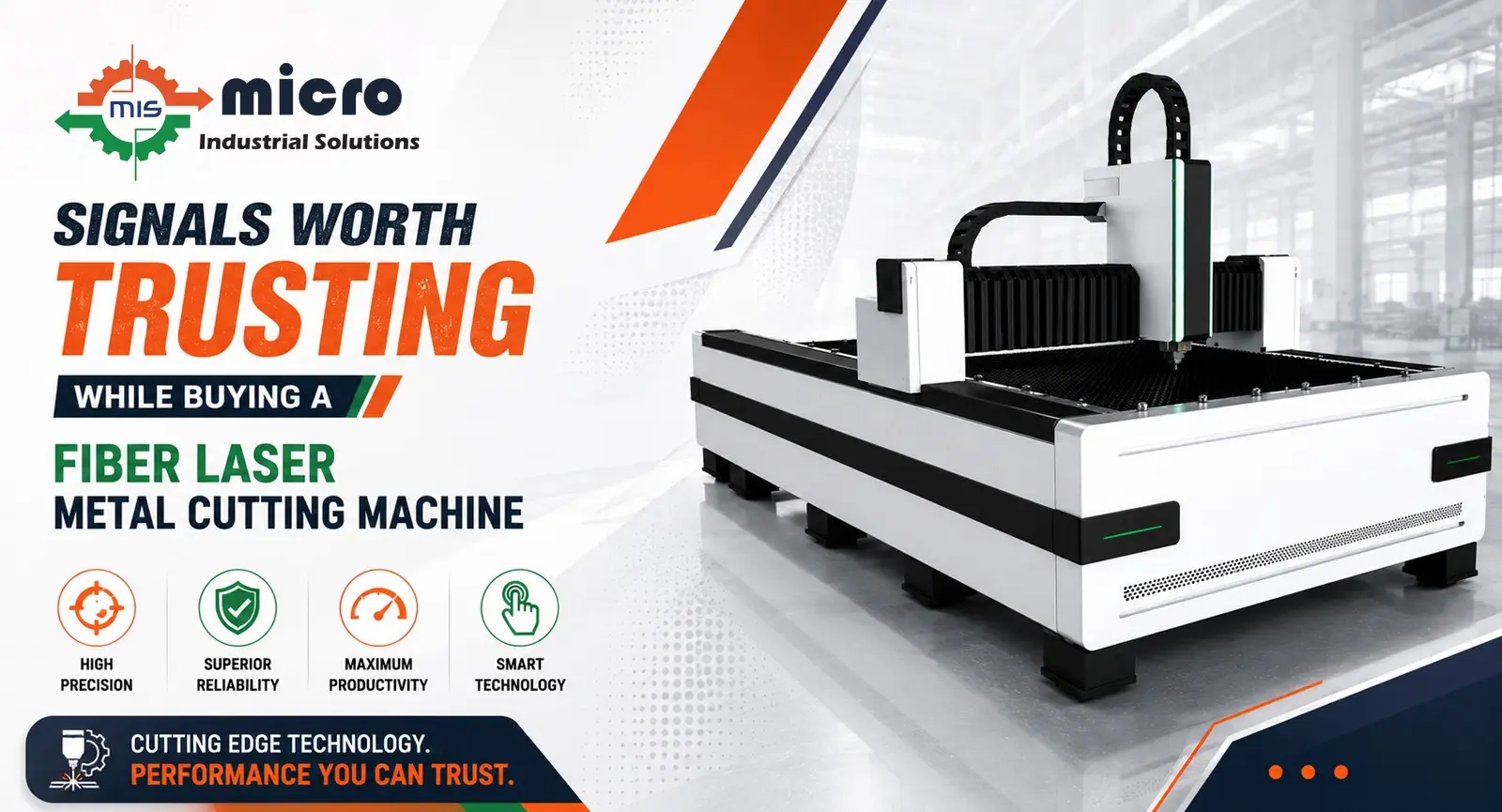
- Not every number on a spec sheet tells you something useful, and knowing which ones to weigh heavily saves a lot of buyer’s remorse.Worth trusting: published cutting speeds tested across multiple material types and thicknesses, not just mild steel; documented beam quality specifications; clear gas consumption figures for the materials you’ll be cutting.Worth questioning: maximum wattage presented without material-specific context; cutting speed claims that only reference the easiest material to cut; any specification that isn’t backed by a shop-floor demonstration on your materials.
The single most reliable buying signal is a live cutting demonstration using your own material samples, since it exposes exactly how power, optics, and gas assist perform together under conditions, not idealized ones.
Conclusion
The Fiber Laser Metal Cutting Machines that perform well in daily production are the ones where power, optics, gas assist, and rigidity were matched to material requirements from the start, not chosen based on the biggest number on a spec sheet. Getting that match right upfront avoids months of frustrating rework and unexpected running costs. At Micro Industrial Solutions, that match starts with understanding what a shop produces, so the recommendation reflects performance, not just an impressive quote.FAQs

Micro Industrial Solutions
Micro Industrial Solutions is a well-known manufacturer of marking machines in India. Our company has been providing quality services to clients since 2014.