Introduction
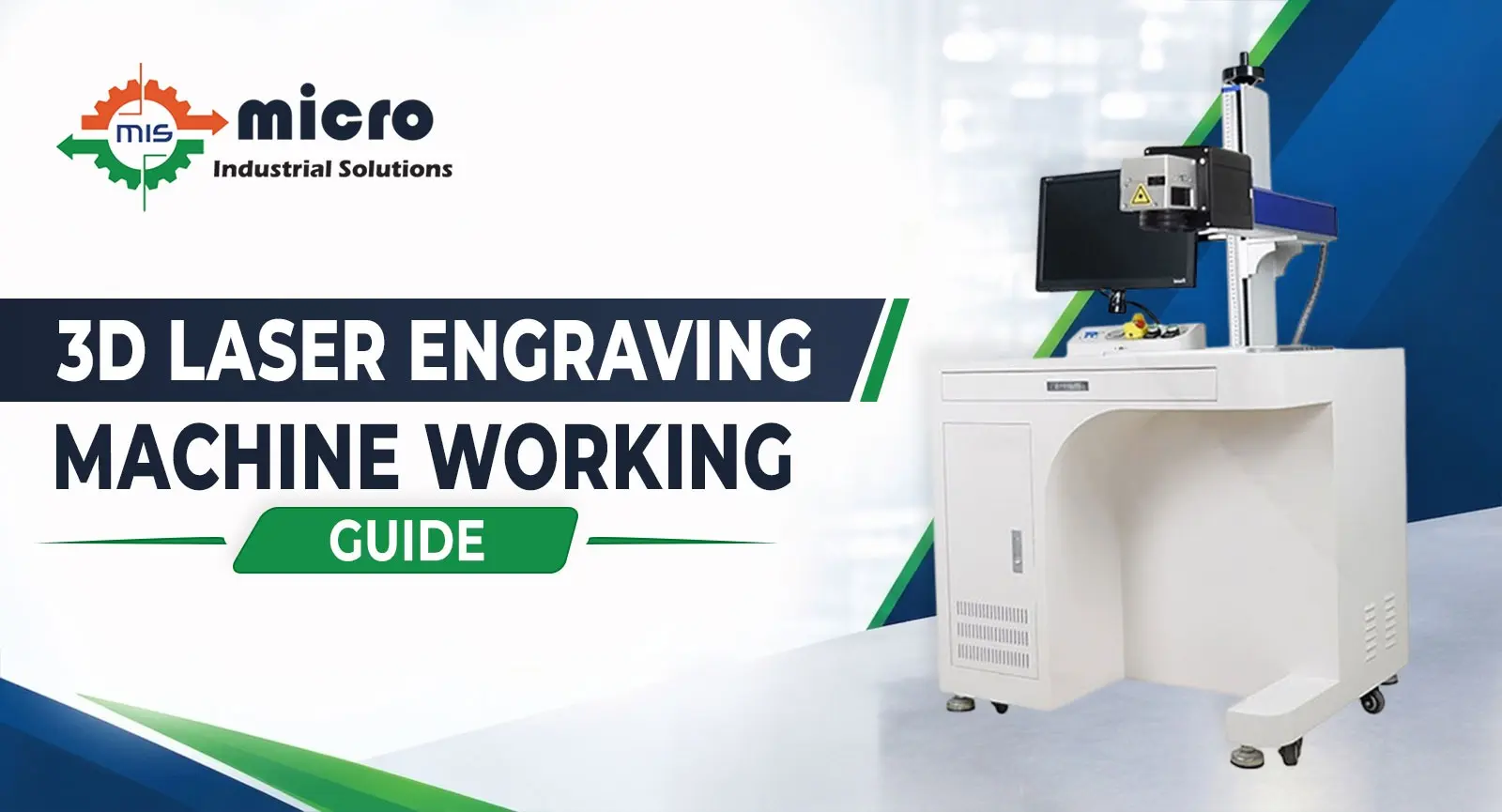
A 3D laser engraving machine is built to do one specific thing: create designs with depth, not just a flat scratched line. It uses a tightly focused laser to either build up layers on a material’s surface or create tiny internal marks inside a transparent material like crystal, so the finished piece looks three-dimensional instead of flat.
This is exactly why the technology has become the standard choice for crystal awards, metal nameplates, jewelry, and industrial branding. A flat, single-pass engraving simply can’t produce a realistic portrait, a shaded logo, or a trophy with depth. What makes a 3D laser engraving machine different is control: it decides not just where the laser fires, but how deep and how dense each point is, and that combination is what creates the dimensional effect people notice immediately.
This article covers how this laser engraving machine works, the main types available, where they’re used across industries, and what matters when choosing one.
What Does a 3D Laser Engraving Machine Do?
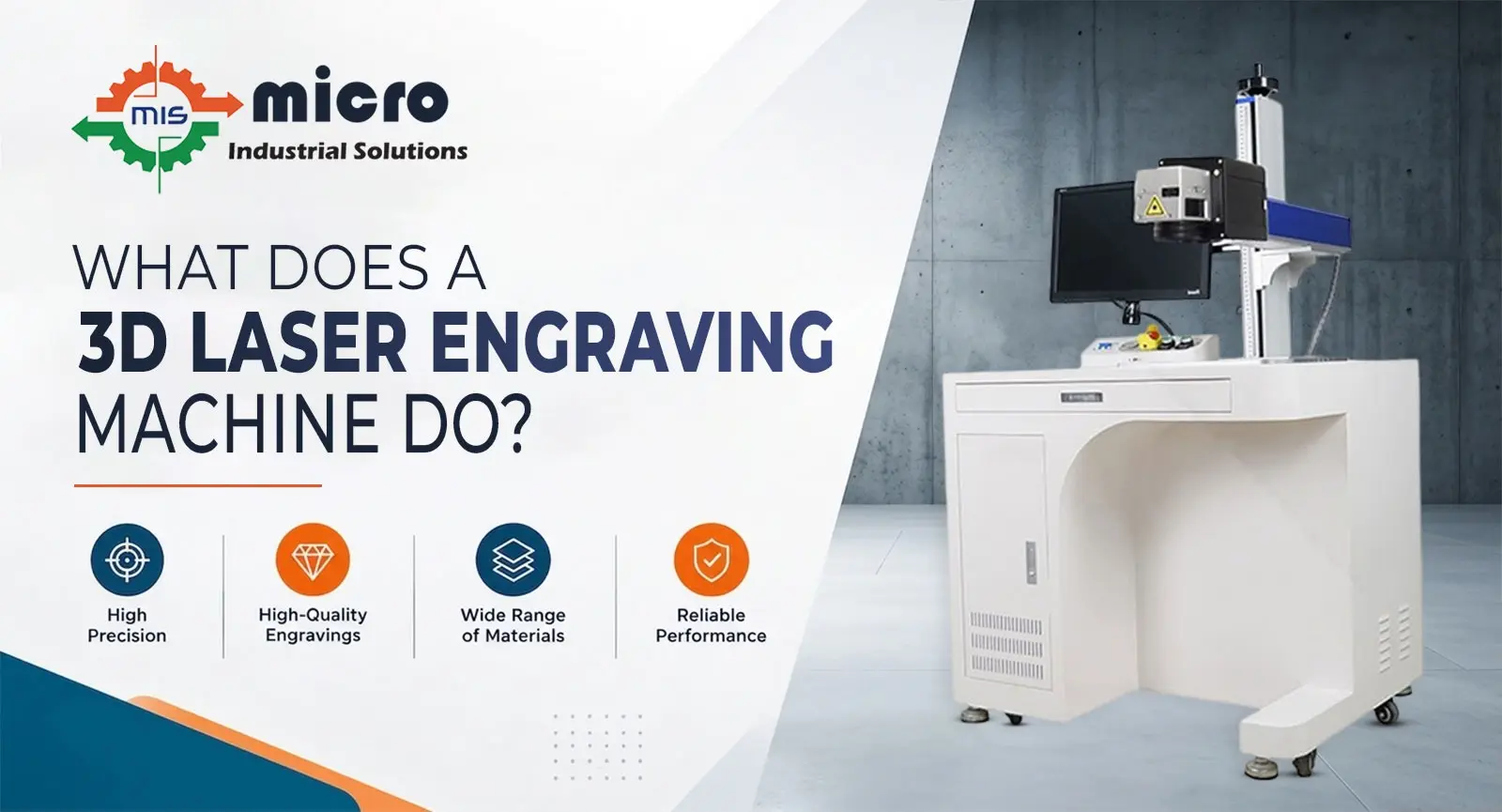
Every 3D laser engraving machine does the same core work: it fires laser energy at exact coordinates to change how a material looks and feels. The method depends entirely on what’s being engraved. The machine performs the following function:
- On metal, wood, or acrylic surfaces, the laser removes material in controlled layers to build up a relief, gradually adding shape and shading rather than a single flat line.
- Inside crystal or glass, the laser skips the surface completely and creates microscopic marks deep within the material, leaving the outside untouched.
- In both cases, the machine stacks hundreds or thousands of these focal points across different depths, which is what the eye reads as a dimensional image rather than a flat one.
- Software controls the pattern, translating a photo or design into precise coordinates so the laser knows exactly where, how deep, and how dense to fire at each point.
That’s really the whole difference between a 3D laser engraving machine and standard engraving: standard engraving marks a surface, while a 3D machine sculpts an image using hundreds of calculated points instead of one continuous line.
How the 3D Laser Engraving Machine Creates a Three-Dimensional Image
For crystal and glass, the process is called subsurface engraving, and the physics behind it is nonlinear absorption. A short, high-intensity pulse, usually from a green 532nm or UV 355nm laser, passes straight through the clear material without doing anything until it hits a precisely calculated focal point inside. Right at that spot, the energy density spikes hard enough to create a microscopic fracture or void, too small to notice on its own but bright enough to scatter light once it’s illuminated. Stack thousands of these points along a calculated path, and they form a portrait, a logo, or a full scene that looks like it’s suspended inside solid crystal.
Metal works completely differently. There’s no internal fracturing involved. A fibre, MOPA, or UV laser marking system instead removes material in controlled layers, gradually building up relief and shading right on the surface. Each pass strips away a sliver, sometimes less than a fraction of a millimetre, and stacking those passes is what creates depth that flat engraving simply can’t touch. It’s closer to digital sculpting than etching, honestly, which is exactly why metal 3D work takes noticeably longer than a quick surface mark.
The Main Types of 3D Laser Engraving Machines
Not every 3D laser engraving machine works the same way, and picking the wrong type for your material usually ends in frustration rather than a finished product you’re happy with. The following are the main types of machines:
- Subsurface crystal and glass engravers use green or UV lasers to build internal 3D images without ever touching the material’s surface, great for awards, keepsakes, and branded crystal gifts.
- Fiber and MOPA metal engravers remove material in controlled layers to build relief, texture, and shading right onto metal parts, jewellery, and industrial components.
- CO₂-based systems handle non-metal materials like wood, acrylic, and certain plastics, though they generally can’t pull off the same internal 3D effect crystal machines are known for.
- UV laser systems offer finer detail and lower heat output, which makes them a solid choice for delicate materials and high-precision jewellery work.
Machines built around one laser source rarely do well outside their intended material, so matching the machine to what you’re engraving matters.
Where This Technology Actually Gets Used
3D laser engraving machines show up in more places than most people would imagine, and each application leans on a different strength of the technology. This technology is used in places like:
- Gifts, awards, and trophies: crystal engraving turns portraits, logos, and dates into premium keepsakes for weddings, retirements, and corporate recognition.
- Jewellery: UV and fiber lasers add fine detail and personalisation to rings, pendants, and bracelets without damaging delicate metals.
- Industrial branding and traceability: fiber and MOPA systems mark serial numbers, logos, and compliance codes directly onto metal components across aerospace, automotive, and electronics manufacturing.
- Medical devices: precise, permanent marking on surgical instruments and implants covers both branding and regulatory traceability needs.
- Memorial and personalised keepsakes: subsurface crystal engraving preserves portraits and messages in a form that won’t fade or wear down over decades.
What ties all of this together is permanence and precision. Most 3D laser engraving machines hit roughly ±0.01mm accuracy, tight enough for detailed portraits and fine industrial marking a like.
What Separates a Good Machine From a Bad One
Laser power gets most of the attention, but honestly, it’s rarely what decides how the finished piece actually looks. Things which helps decide which machine is better are:
- Software quality matters just as much as the laser. Point-mapping software that poorly converts an image into depth data can turn a sharp photo into a muddy blob inside a crystal or a flat, lifeless mark on metal.
- Motion system build quality shows up in the fine details. Loose rails or inconsistent focal control produce visibly uneven results, especially on larger or more detailed pieces.
- Support and calibration matter more than most buyers expect. A 3D laser engraving machine that drifts out of calibration without an easy way to correct it starts producing inconsistent work over time, even if it looked sharp on day one.
None of this shows up clearly, which is exactly why so many buyers get caught confused when such things happen after the purchase.
Mistakes Worth Avoiding Before You Buy
A handful of avoidable mistakes cause most of the disappointment people run into after bringing a machine home. Here are some of the mistakes that people usually make as first-time buyers:
- Assuming higher wattage automatically means better results. Wattage without matching software and precise motion control usually just means faster, sloppier engraving, not sharper detail.
- Underestimating processing time for detailed 3D work. Building depth through multiple passes takes noticeably longer than a single flat mark, and rushing it shows in the final piece every time.
- Expecting one machine to handle every material. A subsurface crystal engraver won’t touch metal, and a fiber engraver can’t create the floating internal effect crystal machines are known for.
- Skipping a materials test before committing. What looks impressive in a demo video doesn’t always hold up on your actual crystal batch, metal alloy, or acrylic sheet.
Knowing which materials you’ll work with and testing on them before you buy, saves both money and a good amount of frustration later.
Conclusion
A 3D laser engraving machine isn’t just about adding depth to a design; it’s about matching the right laser source, software, and precision to whatever you’re working with. Crystal, metal, and industrial parts each need a different approach, and getting that match right decides whether the final piece looks premium or falls flat. At Micro Industrial Solutions, we help businesses choose laser engraving and marking systems built for the materials and precision their work actually demands.
FAQs
Micro Industrial Solutions
Micro Industrial Solutions is a well-known manufacturer of marking machines in India. Our company has been providing quality services to clients since 2014.